




















Mattinson said phase one of the scheme had consisted of one specialist per shift covering business hours from Monday to Thursday.
“The specialist we had in there listened to calls and graded or marked them using a jointly designed questionnaire they had developed in conjunction with our public protection unit and our call centre,” she explained.
“Some of the promising results from that phase one of the pilot were an increase in inclusive and supportive language, more comprehensive intelligence checks being conducted at the first opportunity, better identification of key escalation risk markers.”
The Home Office has pledged that, under Raneem’s Law, domestic abuse specialists will be deployed across every police force in England and Wales by 2029.
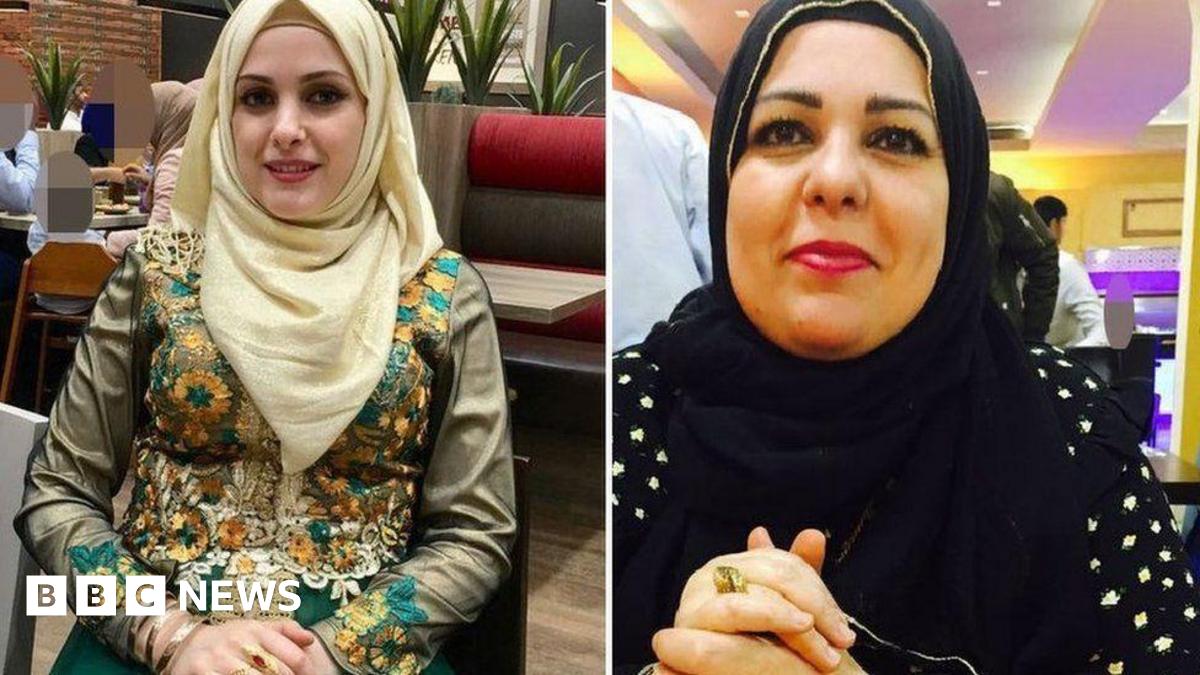
On the night of the murders, Oudeh had called West Midlands Police four times to register concerns for her safety, and the force had previously responded to 10 domestic abuse incidents linked to the case.
Mattinson said only 11 per cent of incoming domestic abuse calls were reviewed during phase one of the scheme because of staffing limitations, but the figure had increased to 17 per cent, as the force shifted into phase two.
The uplift in Home Office funding would be used to expand the number of specialists in the contact centre to either two or three per shift, as well as the hours during which they could operate, Mattinson said.
“The commitment from the charities that we work with is to uplift their current provision so we have either two or three specialists in the control room per shift,” she added.
“This will cover from 08:00 to 22:00 seven days a week. They’re currently undertaking recruitment to be able to secure that level of resource.”
This news was gathered by the Local Democracy Reporting Service, which covers councils and other public service organisations.